Only One Aircraft Took-Off That Night (Part 2)
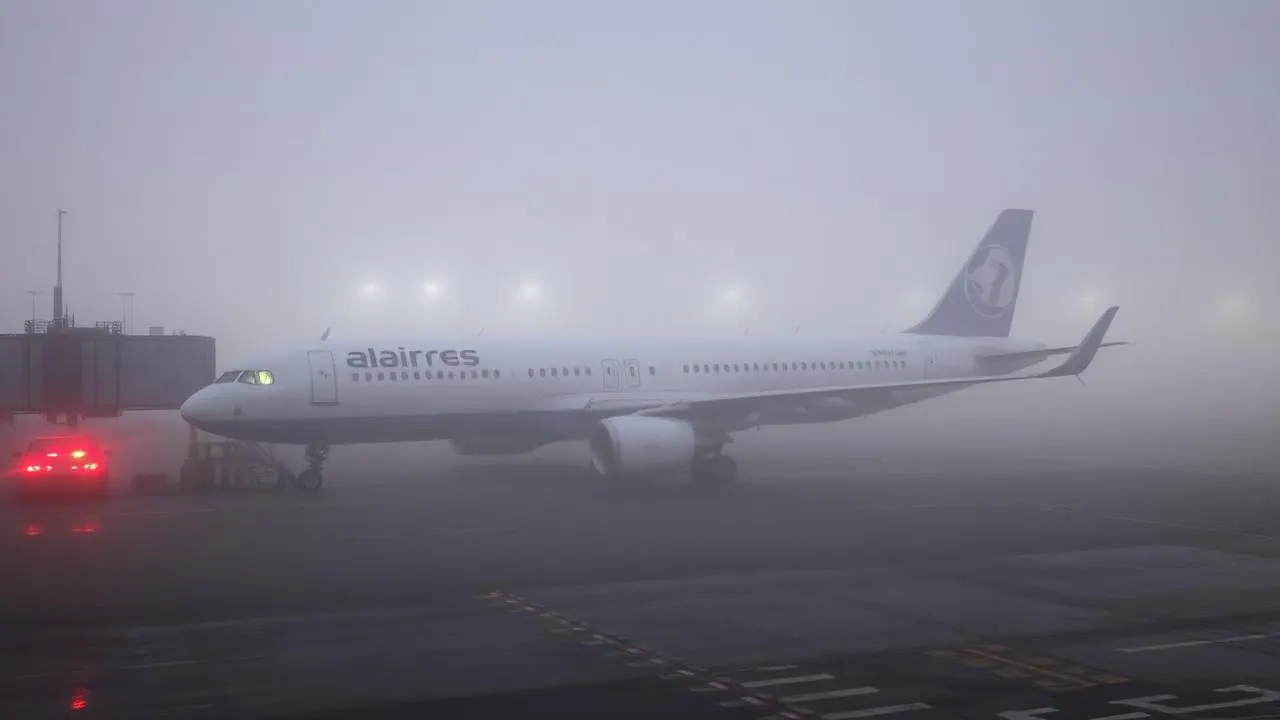
While every other airline cancelled, Captain Gill waited out the Delhi fog. At 0140 hours, with RVR just at 125 m, the A321 became the only aircraft to depart that night for Bangalore.
ONLY ONE AIRCRAFT TOOK-OFF THAT NIGHT (PART 2)
After the passengers had disembarked, the commercial and engineering teams approached me:
"Captain, your transport is ready. You can head to the hotel — we'll secure the aircraft for the night."
I replied, "No, I'll wait for the weather to improve and proceed to Bangalore tonight."
They responded, "The weather is below minima. All airlines — Jet Airways, SpiceJet, Air India — have cancelled their flights. There is no hope for departure tonight."
"Yes," I said, "visibility is below 75 m now. But if the wind picks up, it will improve. We need 125 m. I shall wait."
Reluctantly, they reactivated the flight plan. The crew gathered in the quiet cabin — sharing coffee, a few beverages, stories — and we waited. Time moved slowly. Then, at 0115 hours, the call came.
RVR: 125 m. Bare minimum. But enough.
Soon, an announcement echoed across the aerodrome: "The Kingfisher flight is preparing for departure." Passengers from other cancelled flights rushed to the counters, hoping for a seat. The commercial team understandably wanted to maximize the load — but time was critical. If the wind dropped, visibility would fall again and we'd be grounded. I said:
"Remember the story of the goose that laid the golden egg… Let's not lose the moment. Kindly close the doors and let me depart."
Boarding was completed swiftly. As passengers entered, many asked, "Who is the captain?" When they heard my name, spontaneous applause broke out across the cabin — a humbling moment that reaffirmed the trust passengers place in us.
At 0140 hours, we pushed back.
Runway: 28 • RVR: 125 m • Time: 0140 hours
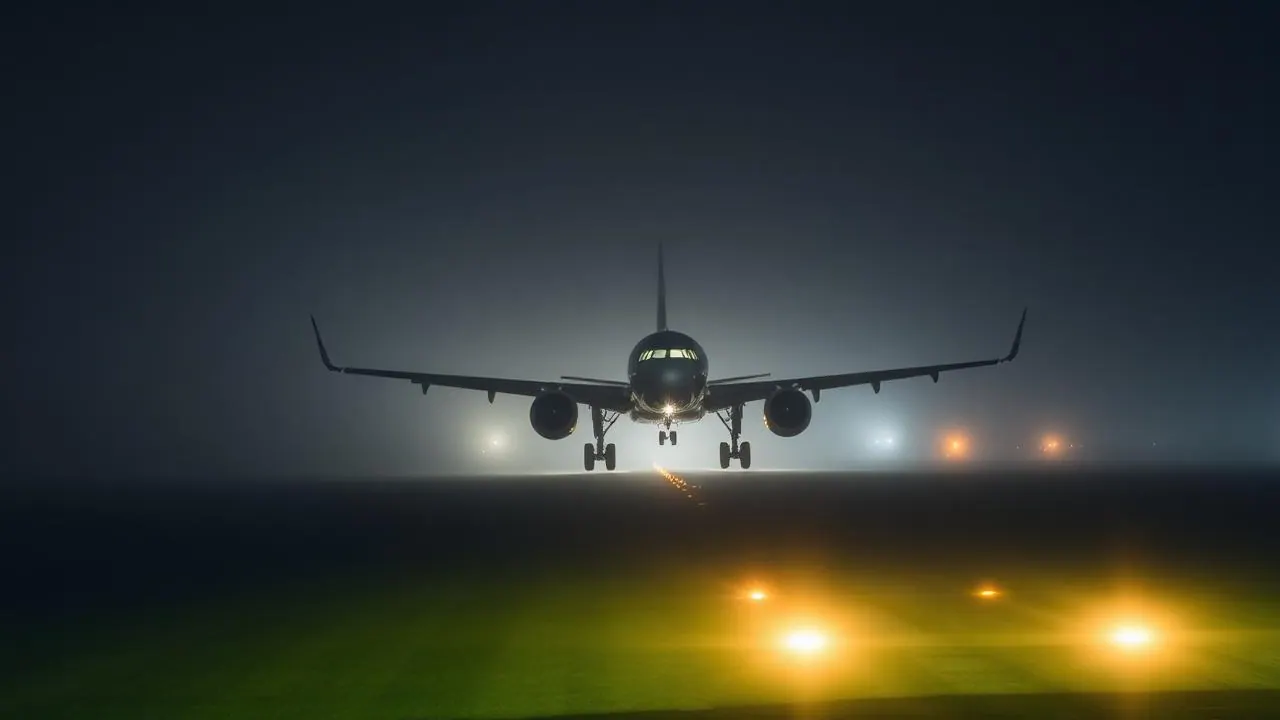
We were the only aircraft taxiing out of Delhi that night. The fog was dense — almost surreal. Beyond the runway lights, the world simply did not exist. At taxiway Charlie, we lined up with the aircraft perfectly aligned with the centreline. Six centreline lights visible, winds were calm — just meeting the minimum requirement. Despite numerous CAT III landings in my career and several low-visibility take-offs by day, this was my first take-off at such low visibility at night.
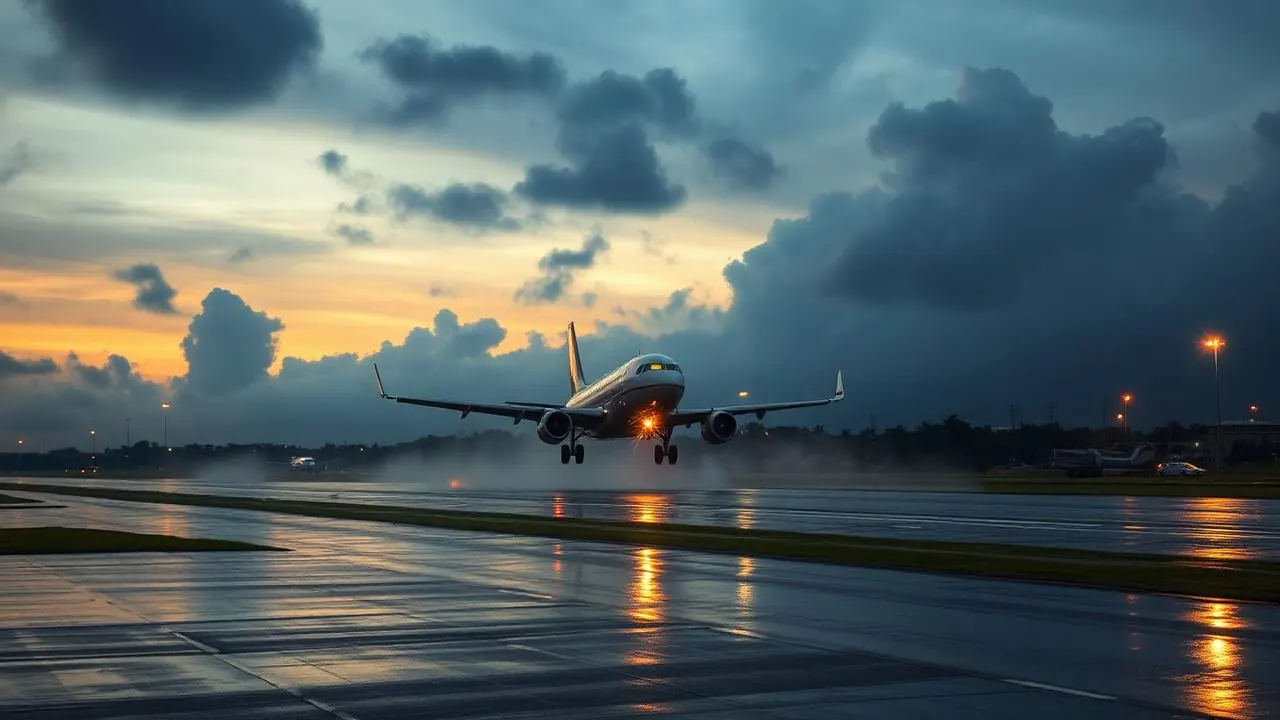
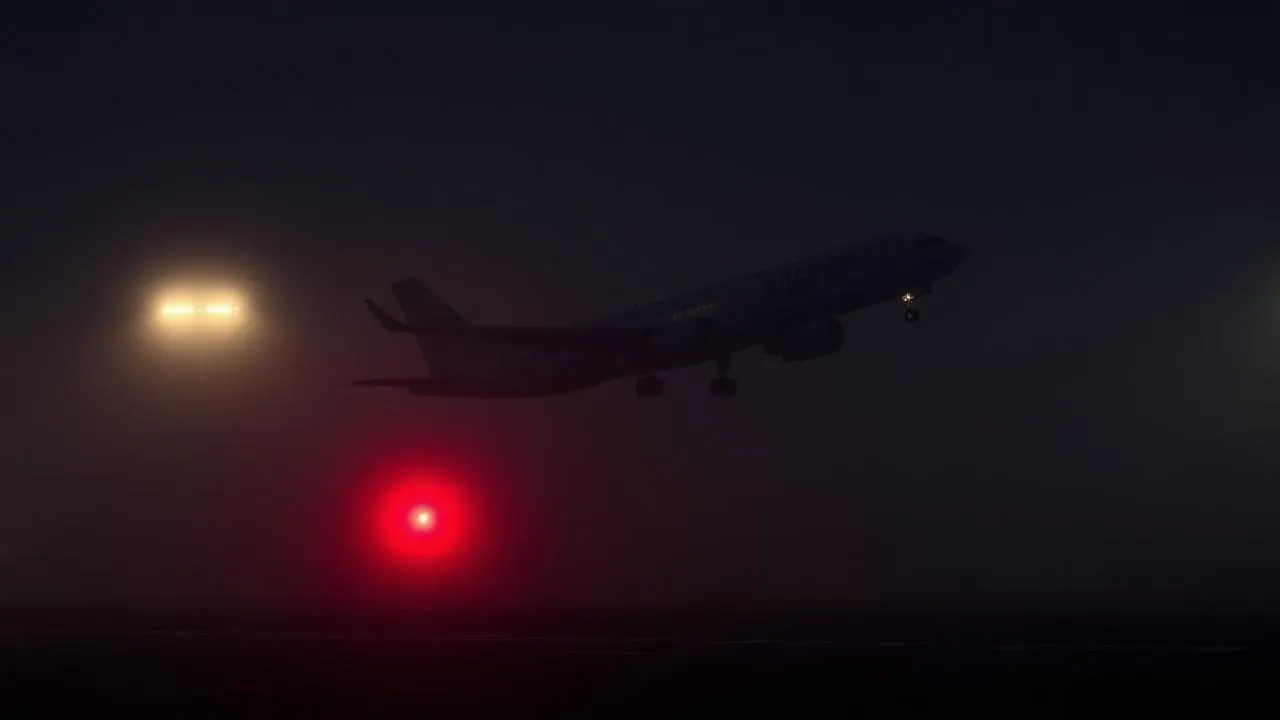
Maximum thrust was applied. Maintaining continuous visual reference was challenging with passing fog banks. Yet the Airbus A321 held steady — tracking straight like a guided arrow. Although the acceleration was normal, the take-off roll felt longer than usual. Then at 171 knots, a gentle sidestick input. And she lifted. Gracefully. Confidently. Majestically.
For that moment Delhi belonged only to us.
The rest of the flight to Bangalore was uneventful. We landed at 04:10 AM. Passengers expressed heartfelt gratitude for getting them home when all hope had seemed lost.
Lessons Learned
- Preparation builds confidence.
- Decide and follow due process under challenging conditions.
- Timing is critical.
- Lead with calm conviction.
- Respect procedures — precision matters.
"FLYING IS DONE AT HOME."
Keep reading